

Influencers are everywhere now. They review products, share daily routines, talk about business, fitness, skincare, travel, etc. Today, brands don’t only invest in traditional advertising. They partner with creators who have communities, can start conversations, drive engagement, and influence decisions. But in 2026, becoming a social media influencer is getting more challenging.
In this guide, we’ll break down everything you need to know about what a social media influencer is, how to become one, and how to make money online. So before you get frustrated and think about deleting your Instagram account, read this article first; you might discover exactly what you need to succeed.
What is a Social Media Influencer?
A social media influencer is someone who has built enough trust online that people actually care about what they say. It’s not only about the number of followers they have. It’s someone whose opinions, recommendations, or lifestyle can influence other people’s decisions.
Influencers can exist in almost any niche, including fitness, beauty, business, tech, travel, lifestyle, etc. All influencers have one thing in common: they’ve built a community. So at its core, a social media influencer is someone who:
- Builds an audience
- Earns their trust
- Provides value
- And has the ability to impact decisions
Why Social Media Influencers Matter in 2026
Brands no longer rely only on TV ads or billboards. The global influencer marketing industry is projected to reach $30 billion by 2025 and surpass $40.51 billion in 2026. Today:
- Gen Z tends to trust influencer content more than traditional advertisements.
- Consumers prefer recommendations from real people.
- Micro-influencers often convert better than celebrities.
That’s why influencer marketing is now a multi-billion-dollar industry.
Types of Social Media Influencers
Influencers are usually categorized based on their follower count, but that’s not the only factor that matters. Engagement, trust, and community strength are what make an influencer stand out.
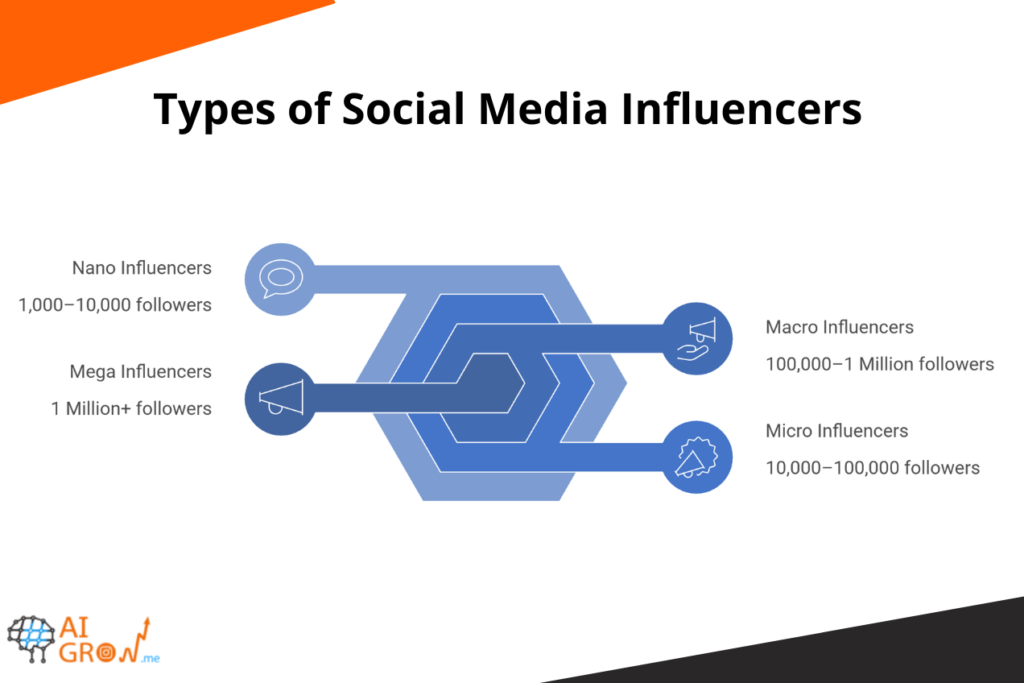
1. Nano Influencers (1,000–10,000 followers)
These types of social media influencers have a small audience, mostly their friends and family. Their content is not as professional as that of other creators, but they often have higher engagement rates. Brands love nano influencers for running local campaigns and product reviews.
If you’re just starting your journey as a social media influencer, this is where most people begin.
2. Micro Influencers (10,000–100,000 followers)
For social media influencer marketing, micro creators are great partners. They have a defined niche and offer better ROI for brands. One of the biggest strengths of micro influencers is engagement. Their followers are more likely to comment, ask questions, and actually take action on recommendations.
3. Macro Influencers (100,000–1 Million followers)
At this level, content creation is usually a serious business, and posts are highly professional. They understand their audience, their niche, and what type of content performs well. Many female Instagram models fall into this category, as they leverage their large followings to partner with brands, launch campaigns, and influence trends across multiple platforms.
One of the biggest advantages of macro influencers is reach—they can introduce a product, idea, or trend to hundreds of thousands of people within hours. For brands, this means strong visibility and awareness.
4. Mega Influencers (1 Million+ followers)
Mega influencers are often celebrities, public figures, or viral internet personalities. They have massive exposure, a global audience reach, and high-value sponsorships. However, campaigns at this level are expensive, and engagement can be lower compared to smaller creators. Many of the hottest YouTubers fall into this category, building massive audiences through entertaining videos, lifestyle content, and viral challenges that attract millions of subscribers.
How to Become a Social Media Influencer?
Now that you know what is an influencer on social media, it’s time to find out how to become one.
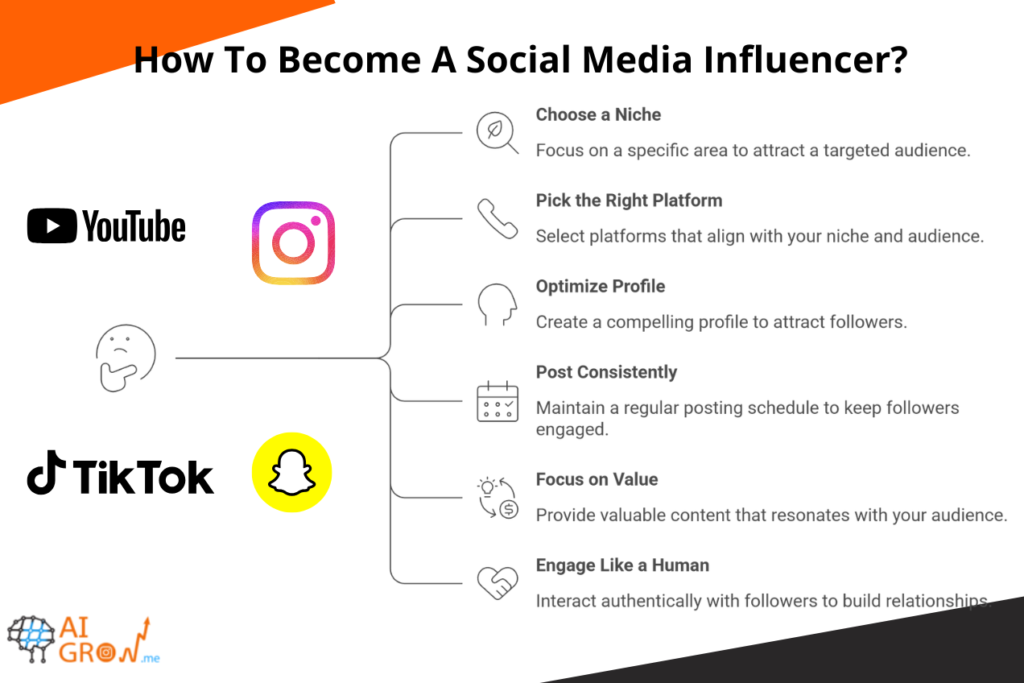
1. Choose a Clear Niche
One of the biggest mistakes beginners make is trying to post about everything. As a social media influencer, you need to pick a clear niche and stick to it. A niche helps people understand who you are and what they can expect from your page. The more specific you are, the easier it is to grow.
2. Pick the Right Platform
Each platform has its own algorithm, audience behavior, and content style. That’s why not every platform is suitable for every niche and personality. Find the platform you are mostly comfortable with and start from there. Once you build your audience base, you can expand your presence to other social media platforms.
3. Optimize Your Profile
Your profile is the first impression that visitors will check out. It helps users understand who you are, what type of content you share, and gives them a reason for following you. Here are some quick profile tips that you should consider if you are searching for how to be a social media influencer.
- Use a clear, high-quality profile photo
- Write an engaging bio that explains your niche
- Include a simple call-to-action (like “Follow for daily fitness tips”)
- Make sure to use a clean and consistent username.
As your audience grows, you may also want to review your privacy settings and understand options like how to hide Instagram followers or manage who can see your connections, especially if you prefer to keep certain parts of your account more private while still building a public presence.
4. Post Consistently
If there is only one habit that has turned beginners into social media stars, that’s consistency. When you post consistently, the algorithm recognizes you as an active creator, your skills improve naturally, and more users will discover you.
Being consistent doesn’t mean you have to share posts 3 times a day. Plan a content schedule that you can stick to over time and include different types of content in it.
For example, if you are using Instagram, start with sharing 3 high-quality posts per week, at least 1 or 2 reels weekly, and daily stories. Many beginners also look for fresh Instagram content ideas to keep their content calendar full and maintain consistent engagement with their audience.
5. Focus on Value
While the number of posts matters and helps you stay in the algorithm, value is what makes people stay. Users are searching on influencers’ feeds to learn something new, feel motivated, laugh after a long day, discover a useful product, etc.
If your content is only about looking good, showing off, or copying trends without adding anything new, people might scroll past. When you focus on value first, growth becomes more natural.
6. Engage Like a Human
Finally, as a social media influencer, you need to build connections with your audience. If you treat your followers like numbers, they’ll feel it, and after a while, you will notice a drop in your engagement rate. But if you treat them like a community, they’ll support you, trust you, and you will receive a higher engagement.
How Long Does It Take to Become a Social Media Influencer?
So far, we talked about what is a social media influencer is, but here is something many beginners don’t like to hear: it takes longer than you think to become an influencer. Most people imagine that becoming a social media influencer happens after one viral video. But for most creators, growth is slow at the beginning.
The creators you see with 100K followers today probably posted for months or even years before anyone really noticed them. If you post consistently and improve your content, you can start seeing meaningful traction within 6 to 12 months. Not necessarily millions of followers but a real, engaged audience. That’s when you are ready to work with social media influencer agencies.
How Do Social Media Influencers Make Money?
One of the most asked questions among content creators is how to become a social media influencer and get paid. Let’s see different methods you can try for monetizing your account:
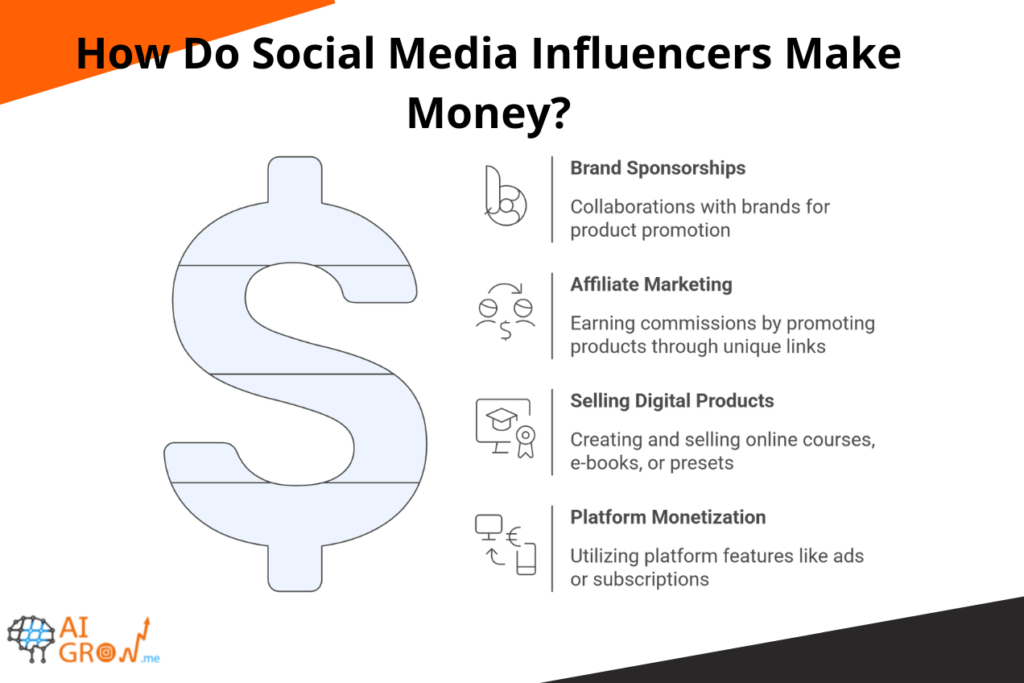
1. Brand Sponsorships
This is what most social media influencers think of first. Brands pay influencers to promote their products or services through posts, videos, stories, or long-term partnerships. Sponsorships can include:
- Dedicated posts
- Product placements
- Giveaways
- Long-term ambassador deals
In the beginning, you might receive free products instead of money, and that’s completely normal. As your engagement and audience grow, you will receive offers for paid collaborations.
2. Affiliate Marketing
One of the easiest ways you can increase your social media influencer salary is through affiliate marketing. Even if you have a small audience, you can use this method to earn money online. Here’s how it works:
- You share a unique link to a product.
- If someone buys through your link, you earn a commission.
Use your social media posts to recommend products you genuinely use and love.
3. Selling Digital Products
Instead of promoting someone else’s products, you can talk about your own service and promote it on social media. Digital products are great options since they don’t require inventory, can be sold repeatedly, and the profit is high. Here are some examples of digital products you can sell as a social media influencer:
- Ebooks
- Online courses
- Presets
- Templates
- Workout programs
- Coaching sessions
4. Platform Monetization
Most social platforms now offer built-in ways to earn money directly from your content. Depending on the platform you use, this can include:
- YouTube ad revenue
- TikTok Creator Rewards
- Instagram bonuses
- Live stream gifts
- Paid subscriptions
The amount of money you can make grows with the number of views. It’s better to think of platform monetization as a bonus, not your main source of income.
Once you’ve attracted enough followers, you can join a trusted influencer marketing platform to monetize your account. Ainfluencer is a platform designed to connect influencers directly with brands that are actively looking for collaborations. Instead of waiting for brands to recognize you on social media, you can put your profile in front of brands in your niche. This means:
- More visibility
- Direct access to brand deals
- The opportunity to grow your income without chasing partnerships
For creators who are serious about becoming a professional social media influencer, platforms like Ainfluencer can save time and open doors. Instead of spending hours sending DMs, you can focus on creating valuable content.
How Much Money Do Influencers Make?
How to become a social media influencer and make money is the question that many beginners ask. But there is no simple answer to how much they can make, and it’s different for each creator. The difference comes down to three main things: audience size, engagement rate, and monetization strategy.
While rates vary by niche and country, here’s a general idea of what influencers can earn per sponsored post.
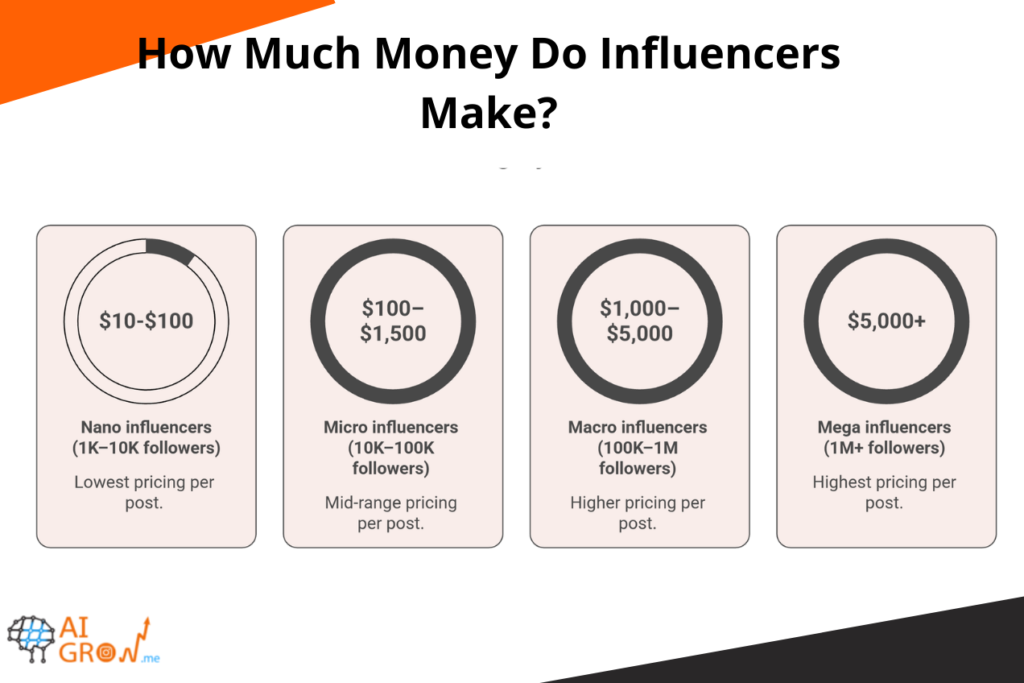
- Nano influencers (1K–10K followers): $10–$100 per post
- Micro influencers (10K–100K followers): $100–$1,500 per post
- Macro influencers (100K–1M followers): $1,000–$5,000 per post
- Mega influencers (1M+ followers): $5,000+ per post
But here’s something important: Follower count alone doesn’t determine income. Factors such as niche, engagement rate, and even the social media platform can affect your income.
Conclusion
Becoming a social media influencer in 2026 is all about building trust, providing value, and consistently connecting with your audience. No matter if you’re just starting as a nano influencer or already growing into a macro-level creator, the key is to stay focused, be authentic, and treat your followers like a community.
When you combine consistent content with smart tools like Ainfluencer, you can start monetizing your work more effectively.
Frequently Asked Questions About Social Media Influencers
1. Do I Need Millions of Followers to Become a Social Media Influencer?
No. Even micro influencers with 10K–50K engaged followers can earn income and work with brands. Engagement and trust often matter more than follower count.
2. How Long Does it Take to Start Seeing Results?
Most creators begin to see meaningful traction within 6–12 months of consistent posting and audience engagement. Viral success is rare and unpredictable, so patience is key.
3. Can I Make Money as a Beginner Influencer?
Yes. You can start with affiliate marketing, small brand deals, or digital products, even with a smaller audience. The focus should be on building trust and providing value.